Money Matters: Energy bills are rising again – how to prepare
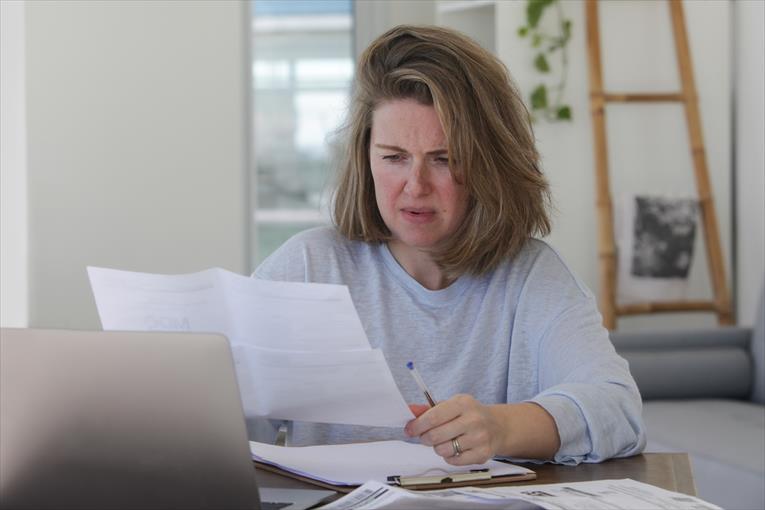
January is set to bring another unwelcome increase in energy bills, with households on standard variable tariffs facing a 26% rise under the new price cap announced this week.
This could mean paying an extra £443 over the next 12 months – a significant hit to already stretched household budgets.
While the headlines may feel worrying, there are some steps you can take now to prepare, check you're on the right tariff and make sure you're not missing out on support. Chloe Meredith, one of our Energy Advisers, provides further detail on them:
Could a fixed-rate tariff save you money?
If you're currently on a standard variable tariff, it may be worth exploring whether a fixed-rate deal could work for you.
Fixing your tariff can offer some protection from future price hikes for the length of your contract. However, it's important not to rush into switching based on the headline savings alone.
Take time to compare the unit rates for gas and electricity, check whether there are any exit fees, and most importantly, work out the costs using your own annual energy consumption.
Your previous 12 months of bills or your online energy account should give you an idea of how much gas and electricity you use. Having this information to hand can help you compare deals more accurately and find one that genuinely suits your needs.
It is also important to bear in mind – fixing now could mean you end up paying more if the energy price cap comes down again.
Make budgeting a little easier by paying your energy bills equally across 12 months
Another option worth considering is paying for your energy by monthly direct debit.
Rather than paying more during the winter months when you're likely to use more energy, a direct debit can spread your costs across the year. This can make budgeting more manageable and help avoid the shock of larger winter bills.
It's still important to check that your monthly payments reflect your actual usage and that your account isn't building up any unnecessarily credit or debt balance.
If you’re struggling, don’t wait to ask for help
If you're already behind on your energy bills or worried about keeping up with payments, please don't feel you have to manage alone.
Your energy provider should be your first point of contact. Explain your circumstances and ask what support may be available. Some providers have hardship funds or other schemes that could help with energy debt or offer temporary payment support.
There are also organisations offering free, independent energy advice, including Marches Energy Agency, the Energy Saving Trust and National Energy Action.
We have compiled an extensive round-up of energy support that is available across our regions, in light of this week’s announcement, linked here.
And if you're a Housing Plus Group customer, our Energy Advice Team is here to help.
Whether you'd like support understanding your bills, exploring your options or finding ways to manage rising costs, please get in touch. A conversation could help you feel more confident about what to do next.
Speak to your housing officer, who can refer you to the team, or contact them directly by emailing: MoneyAdviceTeam@hpg.org.uk or calling: 01952 217234.
- Our Energy Advice service is funded by the Cadent Foundation.
27th November 2026