Money Matters: Rising energy bills – simple ways to save during the colder months
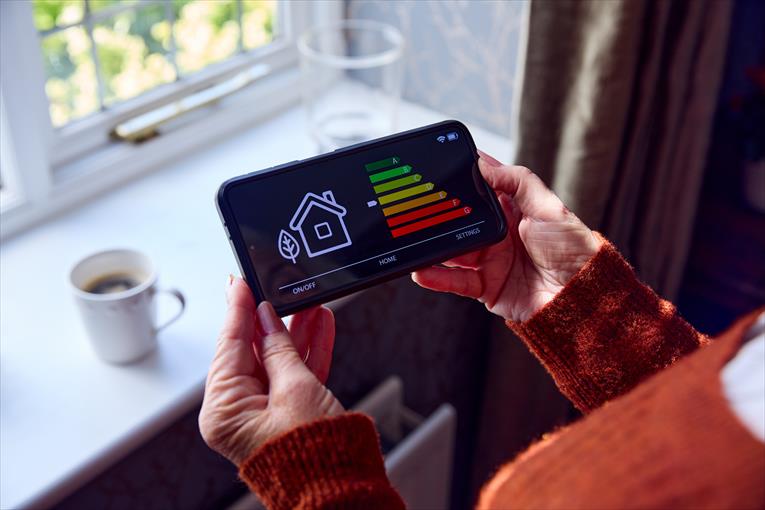
It’s the start of October, the heating is likely to be going back on soon – if it hasn’t yet already, and unfortunately there's another hit to our household budgets to factor in.
From today, the energy price cap rises by 4%, meaning the headline annual figure for a typical household paying by direct debit increases from £1,663 to £1,723.
This extra cost pressure is unwelcome at a time when we're all already juggling rising costs. But there are steps you can take now to keep a closer eye on your energy usage, cut any unnecessary costs, and make sure you're getting any help that you're entitled to.
In this week’s Money Matters column, Jenna Wadelin, Housing Plus Group’s Energy Advisor, shares some potential money and energy saving tips:
· First, check what tariff you’re on. The price cap doesn't mean you automatically have the cheapest deal available. If you're on a standard variable tariff, check what your supplier is offering and compare it with other tariffs. Don't switch without checking the full details, including exit fees and how the monthly payments work.
· Make your heating work harder, not your boiler. As temperatures start to drop, try turning your thermostat down by just one degree if you're comfortable doing so. Heating only the rooms you're using, closing curtains when it gets dark and keeping doors closed between rooms can also help keep warmth where you need it.
And before you reach for the heating, grab a jumper or an extra blanket. Small changes like this can add up over the colder months.
· Look at appliances that quietly eat energy. Washing machines, tumble dryers and dishwashers can all add to your electricity use. Where practical, wash at a lower temperature, only run full loads of washing and use eco settings. If you have access to outdoor drying space, make the most of it while the weather still allows – and remember that tumble dryers can be particularly expensive to run.
· Don’t miss out on any help you might be entitled to. The Warm Home Discount scheme is reopening this month, the eligible households able to receive a £150 discount on their energy bill. Also, check whether you're eligible for your supplier’s additional support schemes or the Priority Services Register.
It’s also worth keeping an eye on what could happen in the months ahead. Current forecasts from energy analysts, Cornwall Insight suggest the price cap could rise significantly again in January 2027, with projections indicating an increase of around 22% to 25%.
Depending on wholesale energy prices over the coming months, this could take a typical annual bill to around £1,872, and some forecasts put it above £2,100.
The final figure won't be confirmed until later in the year, but with further rises possible, now is a good time to review your tariff options and consider whether a fixed-rate deal could offer greater certainty over the winter months.
If you don't have a smart meter, it's also worth submitting a meter reading to make sure any energy used before the latest price increase is billed at the lower rate.
There is one piece of good news hidden amongst all of this – from today until March 31, VAT will be removed from household electricity bills, saving the average household around £45 per year. While, it might not be a huge amount, every little helps.
Finally, if your energy bill is becoming difficult to manage, don't wait until you're in serious arrears before asking for help. Get in touch with your supplier as soon as possible. Seeking advice can make it much easier to find a manageable way forward.
If you are worried about your energy bills or usage, speak to your energy supplier or a charity such as Marches Energy Agency, Energy Saving Trust, LEAP (Local Energy Advice Partners) and National Energy Action.
· Housing Plus Group’s customers can also speak to us in the Energy Advice team for support and practical advice. Our Energy Advice service is funded by the Cadent Foundation.
1st October 2026